Anonymous Hospitality Episode 2, Vienna, Tuoli 2025
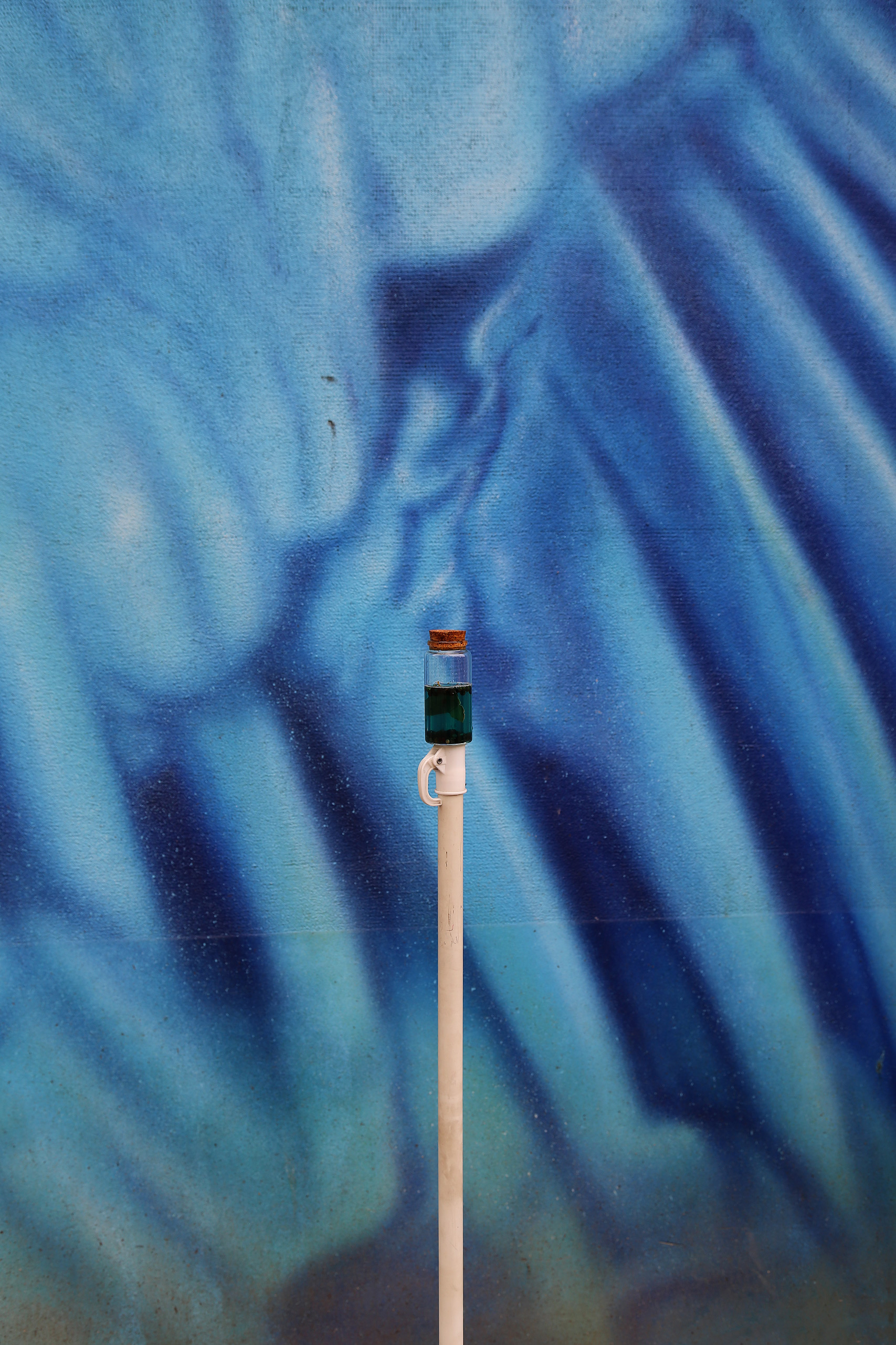
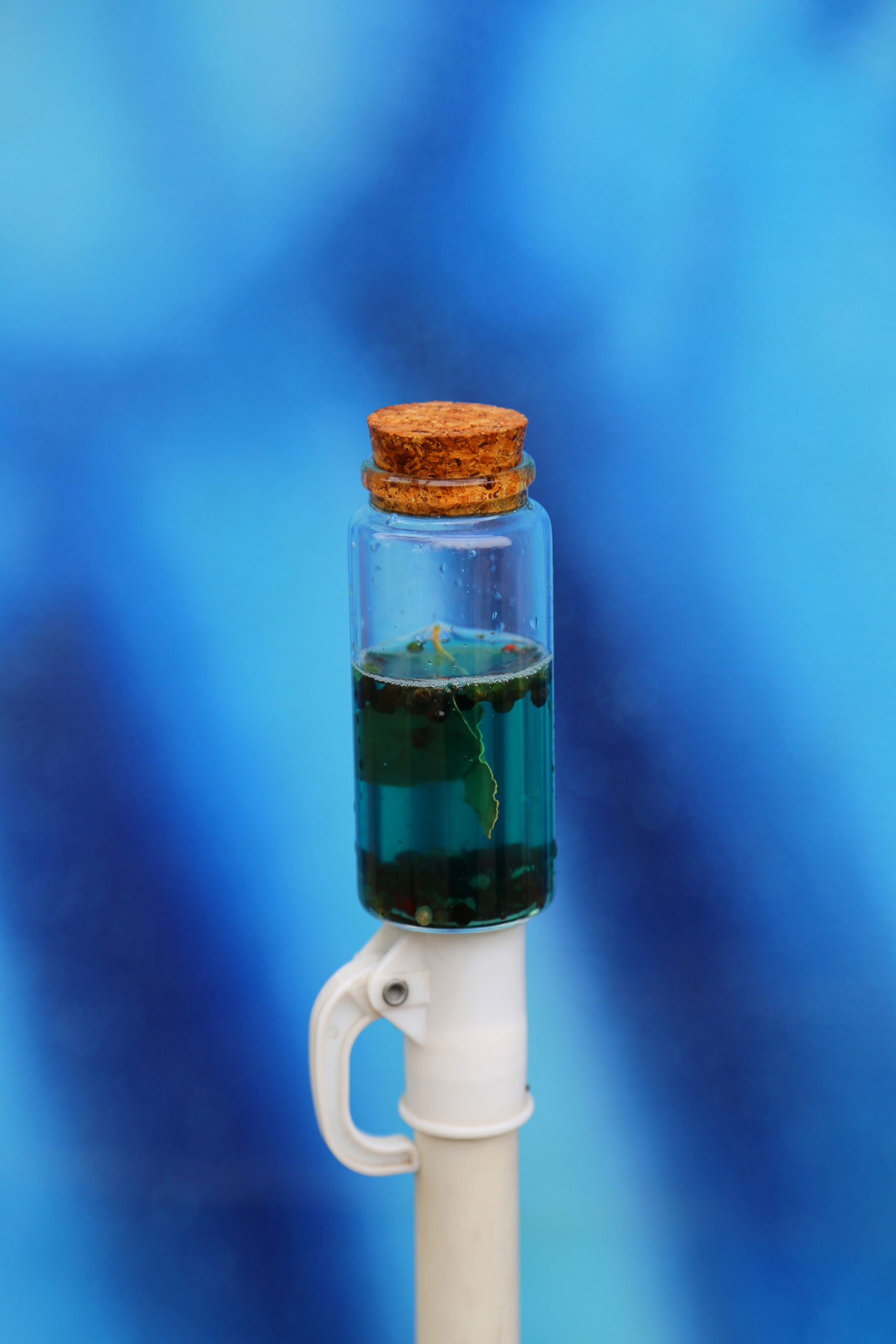
Cyanotypes, blue brine in a bottle
a site-specific installation in a public space of Vienna Prater
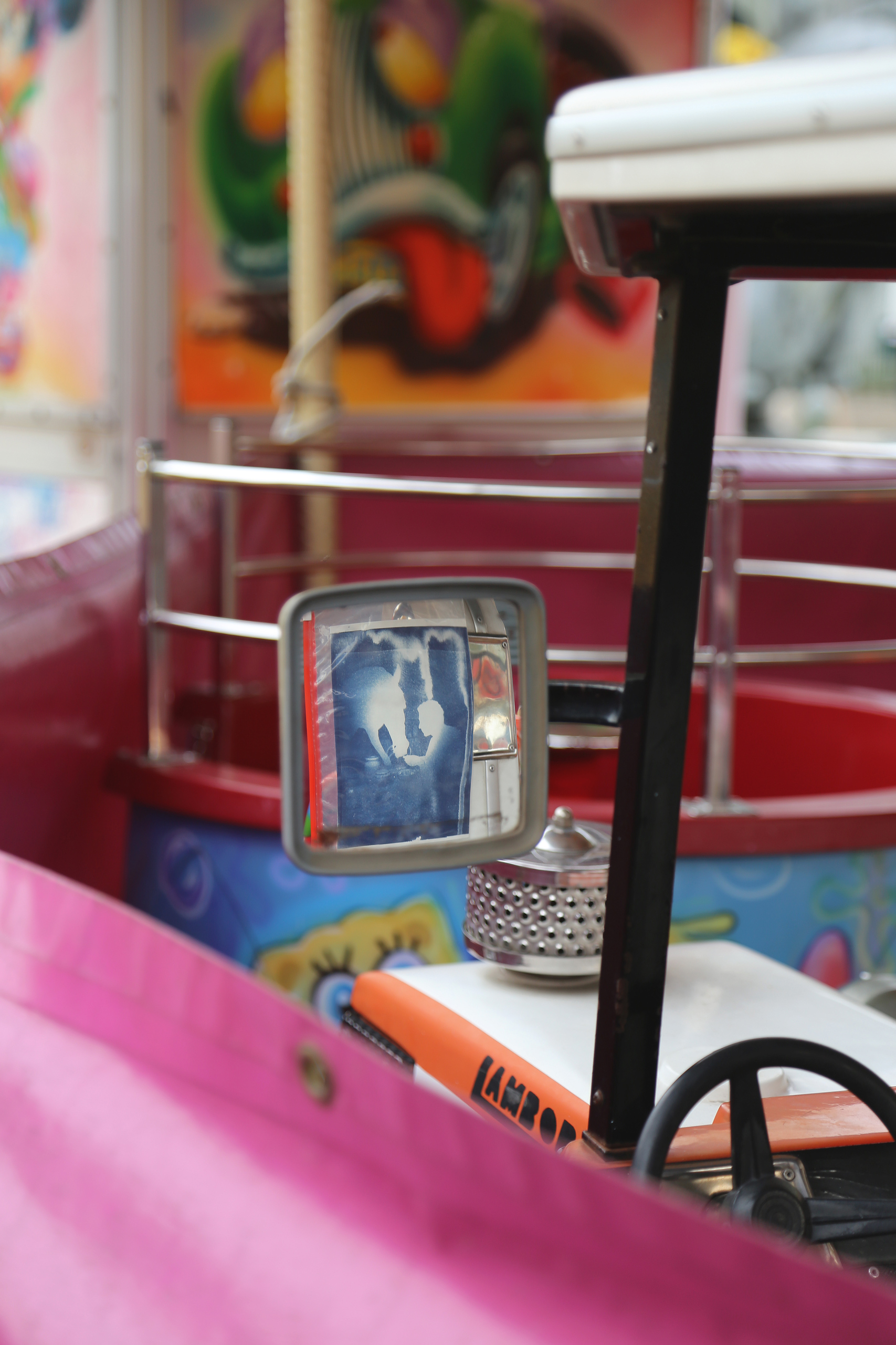
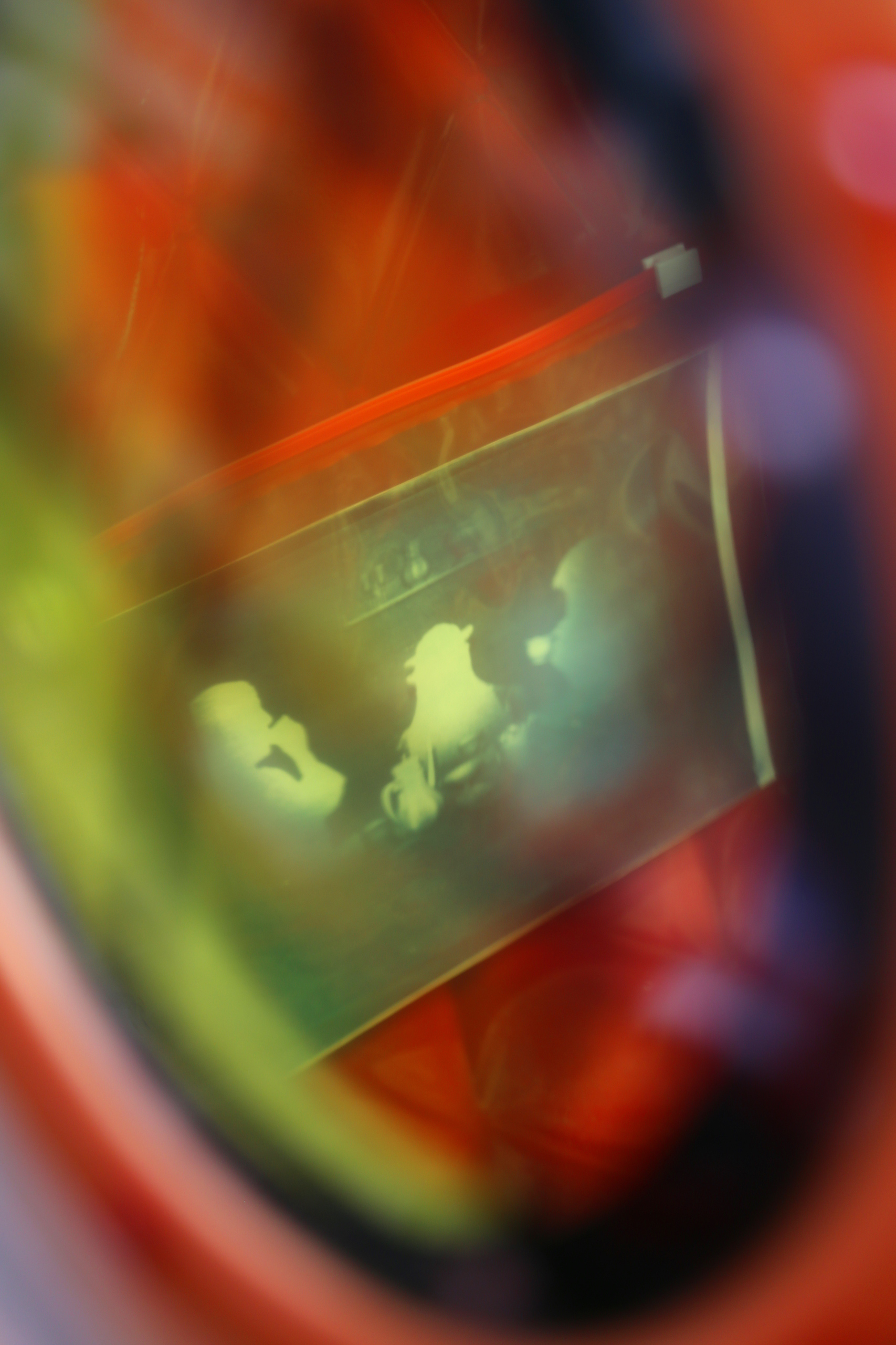
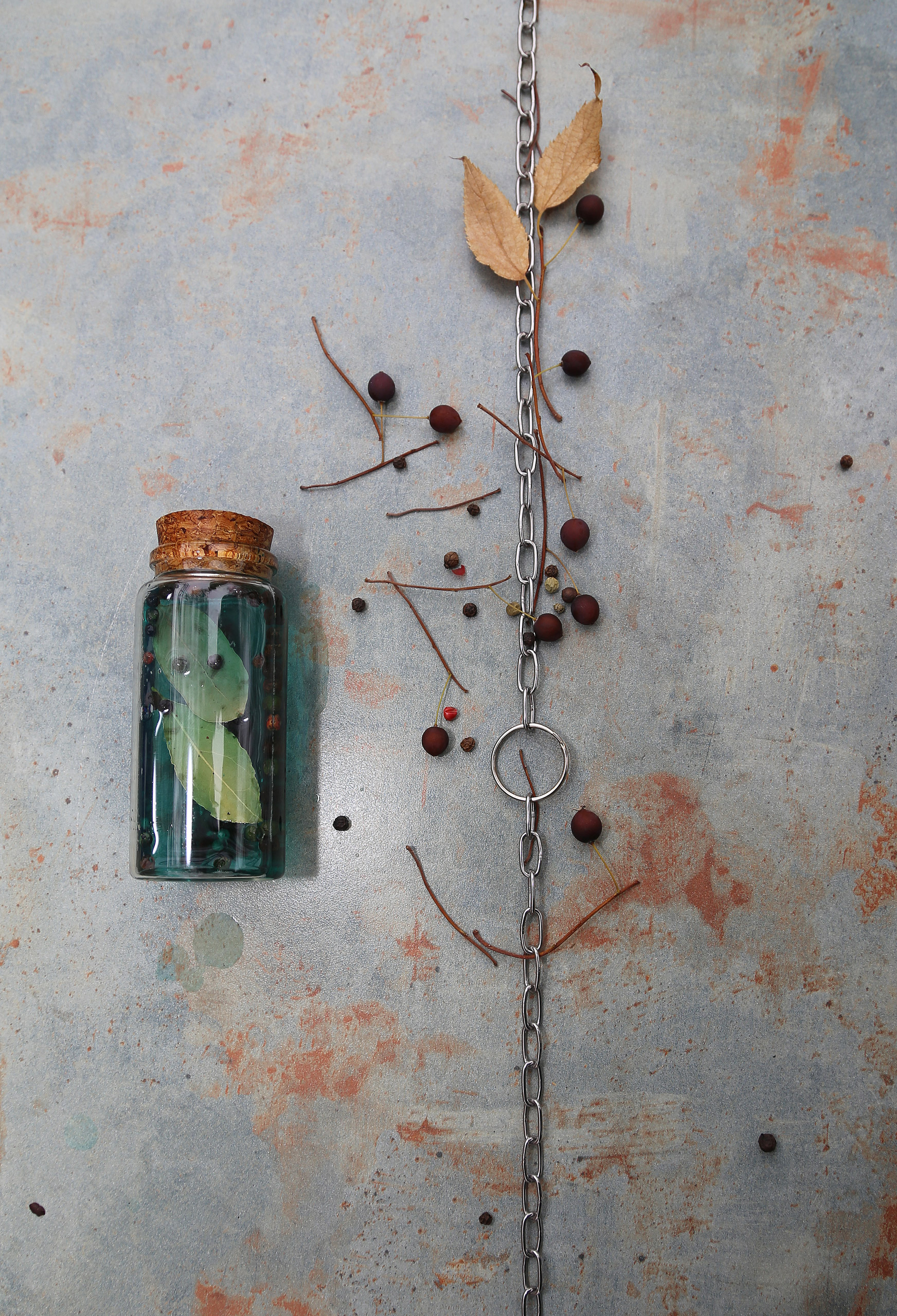
The second episode unfolds through two site-specific interventions. The first took place in the Prater amusement park in Vienna during Vienna Art Week 2025 and continues the first episode, but without the metal that served as its stable base. What remains are separate fragments: cyanotypes of feasts and blue brine, looking for their place inside a living carnival in Mikhail Bakhtin’s sense, where the possibility of something strange always lingers beneath the ordinary.
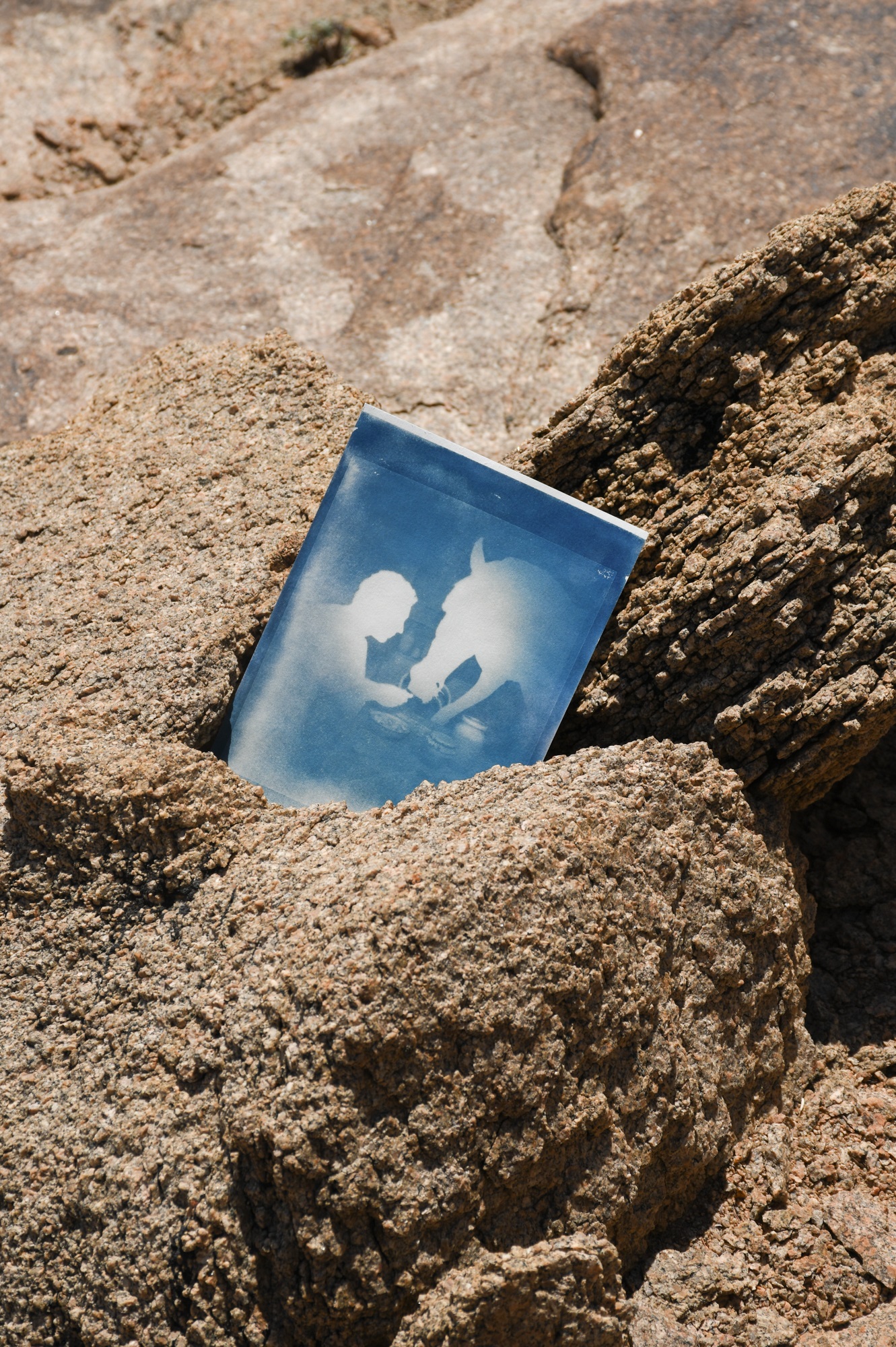
The feast on these cyanotypes, drawn from archival banquet photographs and understood as part of the carnival, becomes a space of shared presence in which meanings are exchanged, intermingled and redistributed. It is a situation of temporary suspension of hierarchies between past and present, own and foreign, host and guest. The scene is assembled from many randomly frozen moments of a celebration that pulls life out of its usual tracks and releases the strange and the impossible: an endless process of formation, a dance of death of historical myths and truths that are played out again and again.
At the same time, the images enter a new stage of preservation. Archival photographs are reconstructed as 3D renders, stripped of individual details, and then printed as cyanotypes.
a site-specific installation as a part of STRATA exhibition in a public space of Tuoli, Xinjiang, China 05-25.08.2025
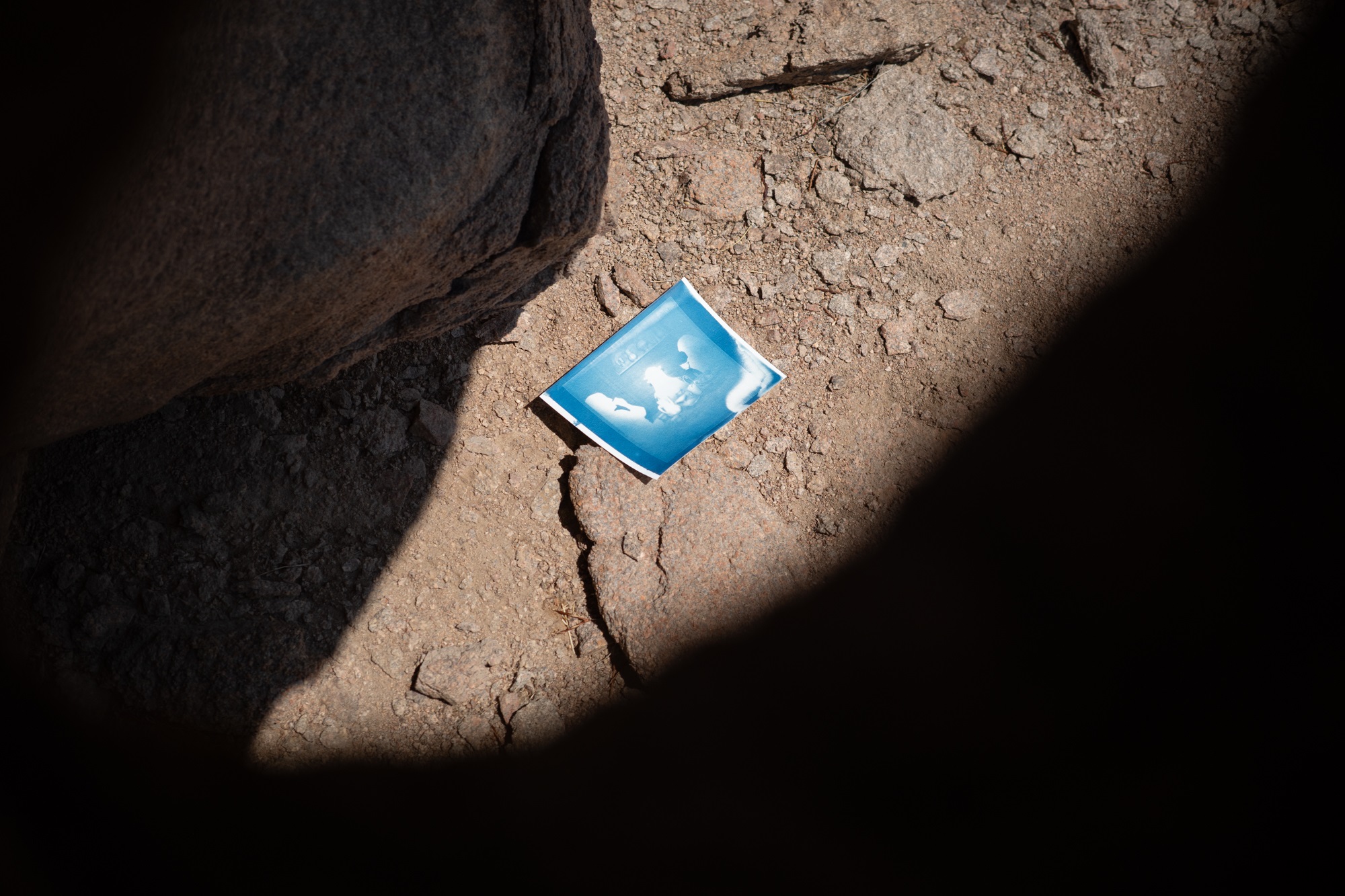
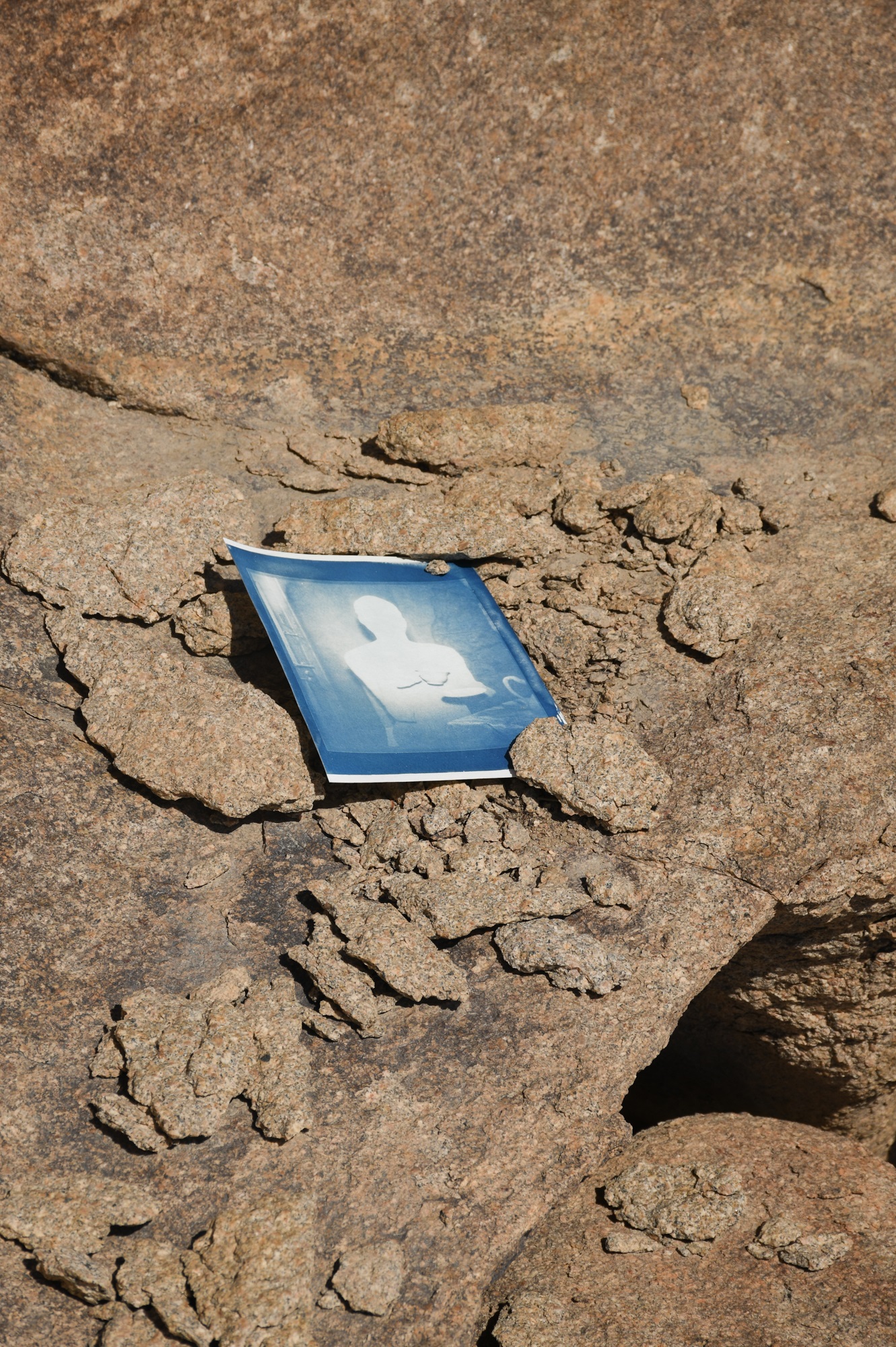
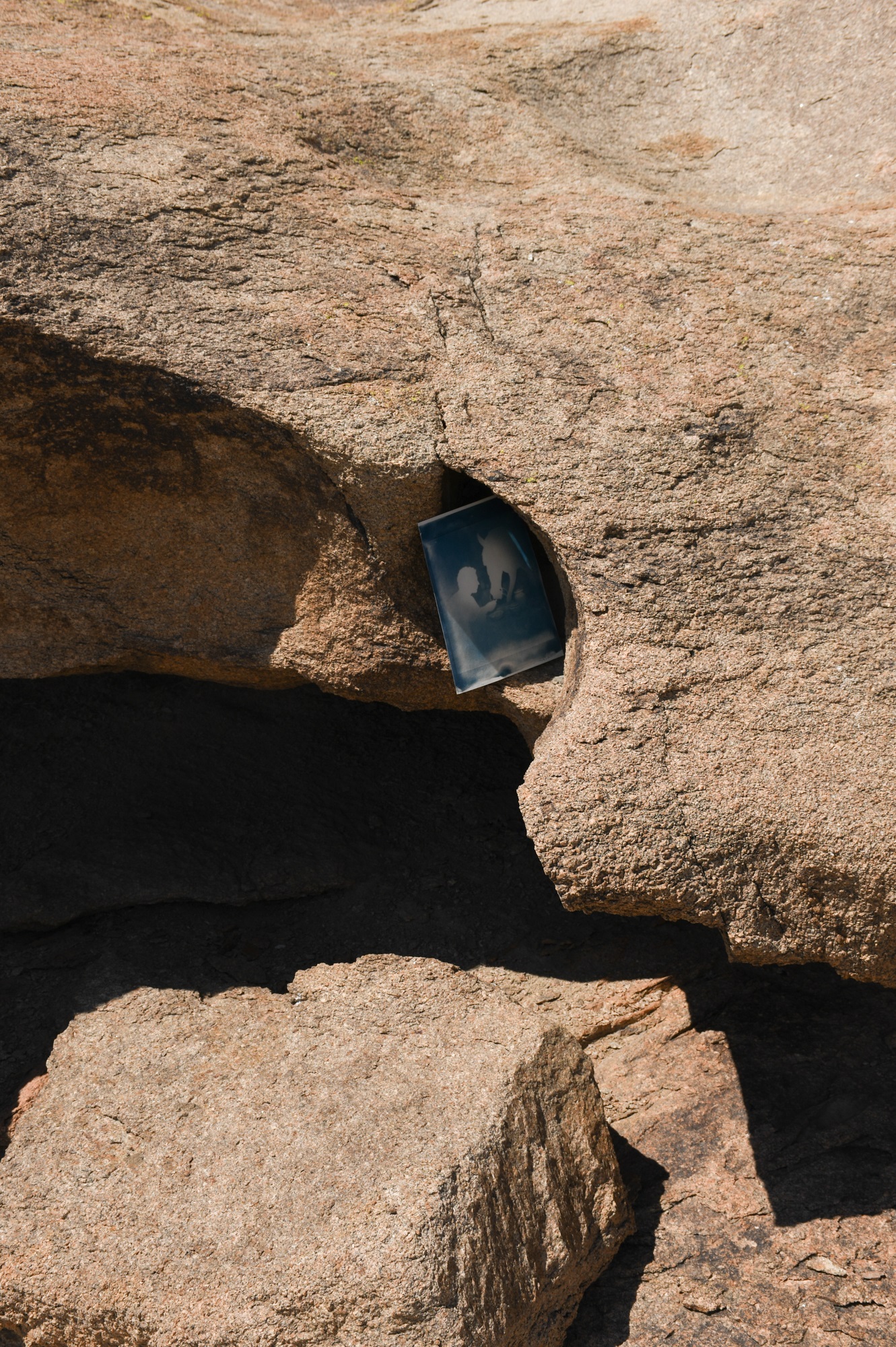
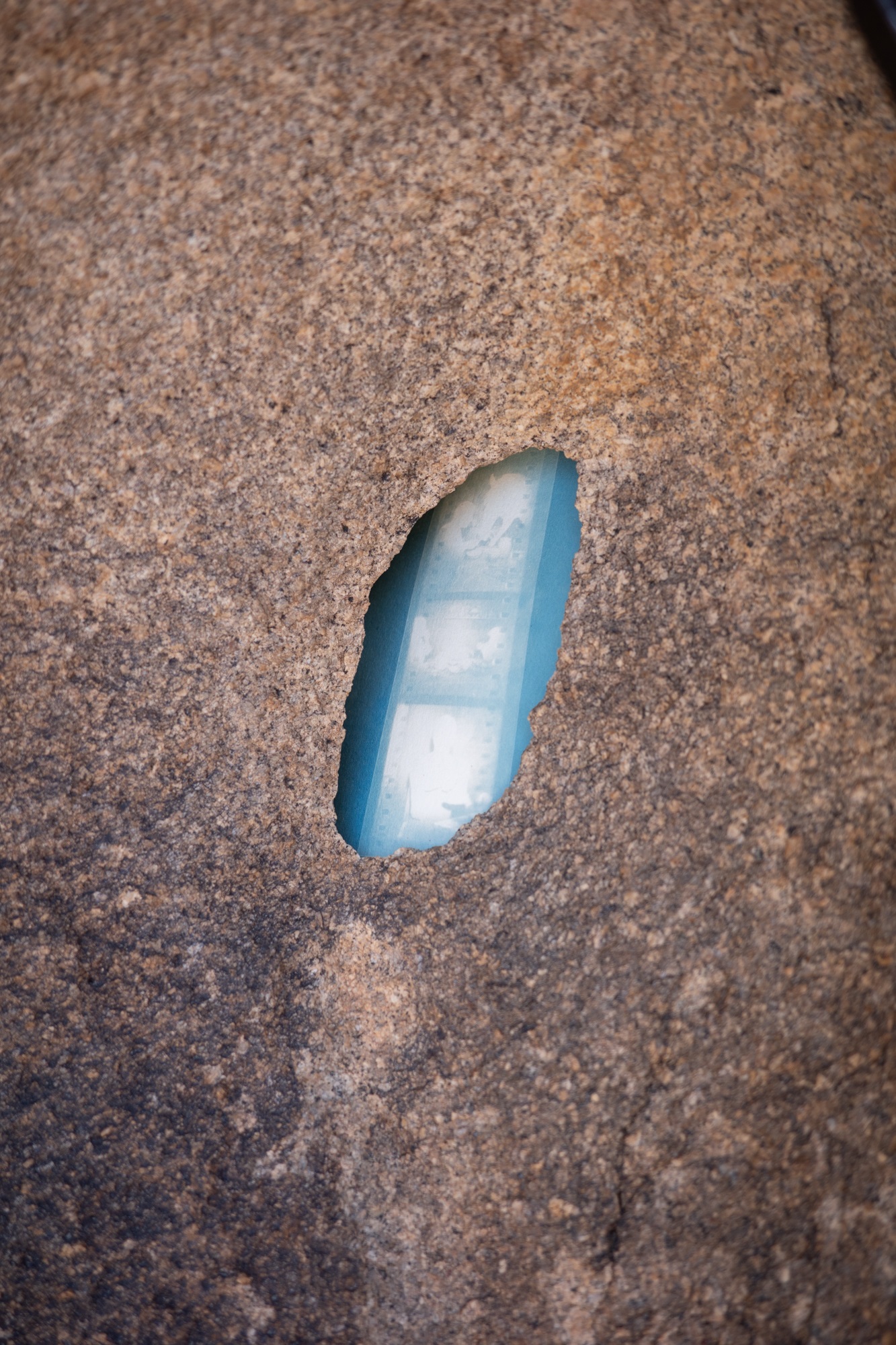
The second intervention took place in a public space of Tuoli, Xinjiang, China, as part of the exhibition STRATA (August 2025). Here the cyanotypes were placed into a situation of excavation, a natural environment for archival material, where something opens layer by layer and the whole is never given at once. The location was experienced as an archaeological site, and the images, devoid of individual details, became uncovered artifacts that both mark an encounter with the Other and conceal its details.
The archaeological gesture replaces the museum’s aesthetics and offers a different way of meeting the archive’s wildness: not as a totality to be grasped, but as strata to be opened one at a time. Past, present and fiction do not merely lie on top of one another but intertwine into a porous, ever-shifting cultural layer. Starting from scratch takes the form of digging: beginning again with each layer. Proximity is possible only through a trustful distance, the condition of anonymous hospitality, and history remains a fragment that can never be fully owned.